

Bailey’s world used to be limited to a three-mile radius.
Accessible vehicles and assistive technology are more than tools, they are lifelines that make independence, health and connection possible.
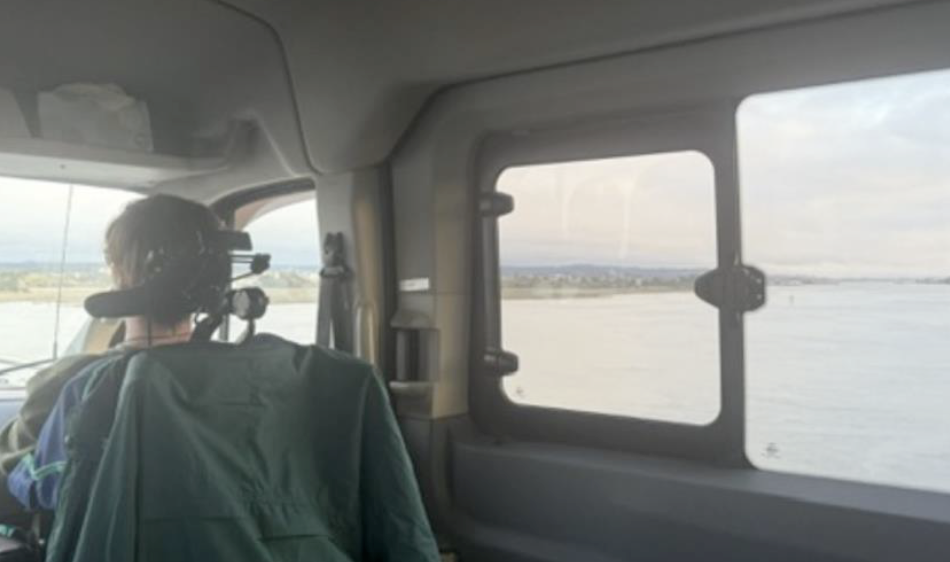
Bailey’s story:
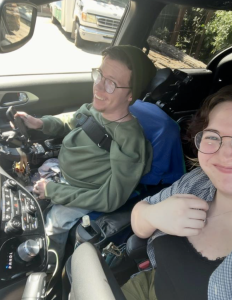 I didn’t have a vehicle for many years. It was hard. Sure, there were no monthly payments or surprise repair bills, but anytime I needed to go to the doctor—or anywhere else—I had to pay upwards of $100 for a non-emergency medical transport van. Eventually, I stopped going anywhere that wasn’t walking distance. My world became very small. For years, my life existed within a three-mile radius.
Then I met my partner. After two years, we decided to move in together in Humboldt County, where I grew up. But Humboldt is rural: There’s very little within walking distance, and accessible transportation is scarce. There was no realistic way for me to live there without a wheelchair-accessible vehicle.
Around that time, something extraordinary happened. A family I had never met—the parents of a wheelchair user my best friend once cared for—decided that their late son’s accessible van should go to me. They knew of me through my friend and wanted his van to continue helping someone who needed it. When my partner and I began planning our move, they reached out to let me know the van was waiting. My family chipped in to make it possible. And last July, my parents and I packed my life into that van and drove 200 miles back home.
I would not have been able to move to Humboldt without it. Growing up, my mom used to say our accessible van was medical equipment. While never true officially, it was true in practice. Without it, I wouldn’t have had access to doctors—especially specialized care that requires hours-long road trips to places like San Francisco. Now that I’m back home, that reality has returned. I rely on my van to get to medical appointments, the pharmacy and grocery store, my parents’ house, and to safely transport my wheelchair and other medical equipment in an emergency.
But I also need it to live. To see friends, take my partner on dates, bring our dog to the beach, and show up for my mom as she proudly rides a fire engine in local parades as a volunteer with the fire department. I live in one of the most beautiful places on Earth, and without an accessible vehicle, much of it would be out of reach.
I know this isn’t a typical story, and I’m deeply aware of the privilege it took for me to have this van at all. My world has widened because of extraordinary generosity and a strong support system.
Still, owning an accessible vehicle comes with serious costs. Last month, a routine oil change revealed it needed repairs totaling $3,000. On a Social Security income, that simply isn’t feasible. But delaying those repairs risks something far worse—like brakes failing on the highway.
Having an accessible vehicle allows me to meet my medical needs, stay connected to my community, and live safely and independently. Maintaining it is a challenge I’ll readily face for my family’s safety.
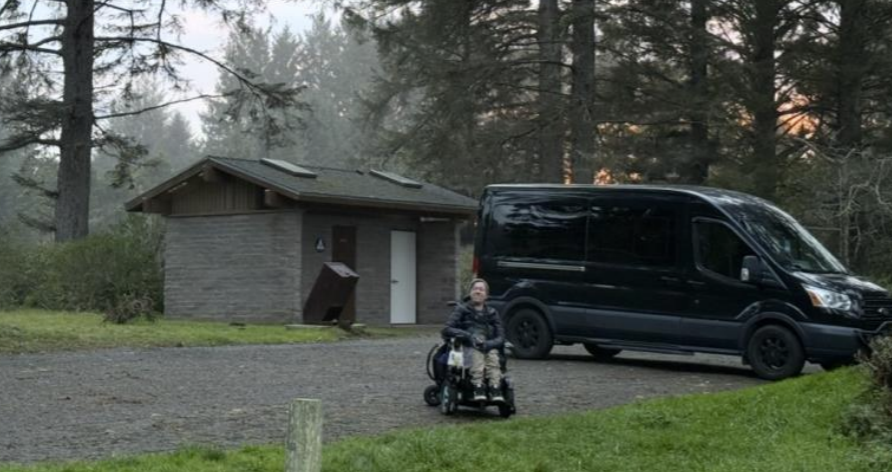
Learn more about resources and funding options on our Accessible Vehicles & Assistive Technology Resources page.