In honor of Global Accessibility Awareness Day
Every third Thursday in May, the global disability community alongside technologists, educators, employers, and advocates pauses to ask the simple question: Who gets left out?
That question is at the heart of Global Accessibility Awareness Day (GAAD), observed this year on May 21, 2026. GAAD was born in 2012 after web developer Joe Devon published a blog post calling on the tech community to pay attention to the more than one billion people worldwide living with a disability. His post caught the attention of accessibility consultant Jennison Asuncion, and together they launched what has since grown into a worldwide day of conversation, education, and action. The mission is straightforward: get people thinking, talking, and learning about digital access and inclusion for people with disabilities.
 In the years since, GAAD has expanded far beyond the tech sector. Today it serves as a touchstone for anyone who believes that full participation in education, employment, financial life, and community should not depend on one’s ability. That belief is deeply connected to the work we do every day at National Disability Institute, especially when it comes to economic opportunity and employment.
Employment remains one of the most powerful pathways to economic stability, yet it is also one of the most persistently unequal for people with disabilities. Despite decades of legislation and advocacy, the employment gap between people with and without disabilities remains significant. At NDI, closing that gap is not an afterthought. It is mission-critical work.
Through the American Dream Employment Network (ADEN), NDI serves as a nationwide Employment Network under the Social Security Administration’s Ticket to Work program. ADEN connects people with disabilities to employment supports, career counseling, and benefits advisement. Through this initiative, we are meeting people where they are and helping them navigate a path toward financial independence through meaningful work.
NDI’s National Center on Leadership for the Employment and Economic Advancement of People with Disabilities (LEAD Center) initiative takes that commitment further by building the capacity of organizations to recruit, hire, retain, and advance employees with disabilities. LEAD recognizes that accessible employment isn’t just about getting someone in the door, but creating workplaces where people can thrive, grow, and lead.
And through our partnership with Verizon Small Business, NDI has worked to expand economic opportunities for small business owners with disabilities, recognizing that entrepreneurship is a powerful form of workforce access. When the tools, capital, and networks required to start or sustain a business are inaccessible, an entire avenue of economic life is closed off.
Access to work is access to dignity and a future of greater financial stability.
Speaking of financial stability, you cannot build wealth with tools you cannot reach. Financial security (ie. savings, benefits, investments, retirement) has long been structured in ways that exclude people with disabilities, whether through inaccessible platforms, confusing jargon, or policies that penalize asset-building.
NDI’s ABLE National Resource Center (ABLE NRC) exists to change that. ABLE accounts are tax-advantaged savings accounts, created by the Achieving a Better Life Experience Act, allowing eligible individuals with disabilities to save and invest money without jeopardizing their federal benefits. The ABLE NRC serves as the nation’s primary source of objective, plain-language information about ABLE accounts, helping individuals, families, and professionals understand how to use this powerful financial tool.
But information is only accessible if it reaches people in formats they can use. That’s why NDI has invested in assistive technology education, ensuring that the resources we create are legible and navigable for people using screen readers, alternative input devices, and other accommodations. And through initiatives like our Accessible Vehicles and Assistive Technology education videos, we’re meeting people through dynamic, visual media and recognizing that financial literacy is not a one-size-fits-all endeavor.
Accessibility is everyone’s responsibility. It’s not simply a checkbox on a compliance form. It is not a department, a job title, or a budget line. Accessibility is a value. And like all values, it must be lived daily, by everyone, at every level of an organization.
We asked members of the NDI team to share what accessibility means to them in their own words. Here’s what some of them had to say…
 |
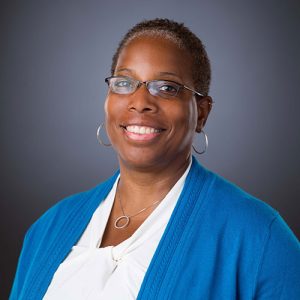
“Accessibility isn’t just ramps and captions, it’s economic inclusion. It’s ensuring that people with disabilities have real access to tools like ABLE accounts so everyone can save, invest and grow wealth.” — Jody Ellis |
 |
“Making things available and convenient for everyone.” — Gail Watson |
 |
“[Accessibility is] the ability to use assistive technology that is safe and affordable that helps a person increase or maintain their productivity and the quality of their life, as they define it.” — Laurie Schaller |
 |
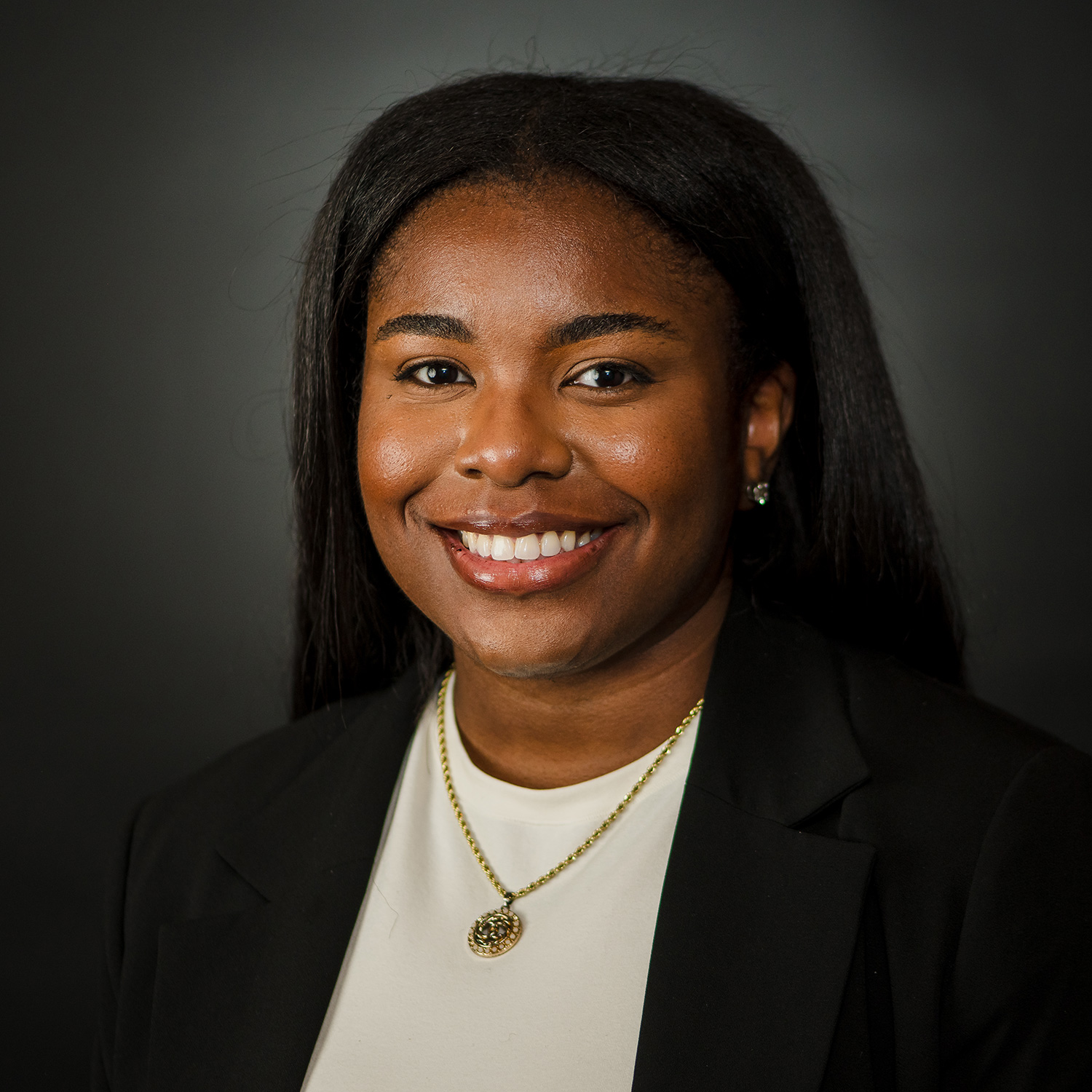
“Accessibility is full access to both my favorite shopping app and my favorite banking app so I can manage my money thoughtfully. It is accessible transportation options, including autonomous vehicles, so I can get to and from work events on time. It is accurate captions on silly cat videos and pithy alt text on memes so we can all laugh together on our lunch break.” — Liz Layman |
 |
“Accessibility is about making sure everyone can easily use what you create.” — Courtney Williams |
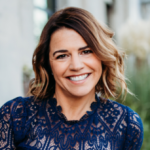 |
“Accessibility means designing a world where inclusion is built in, not added later, so every person can participate fully in life, employment, and have access to opportunity without extra barriers. True accessibility removes obstacles before they limit participation and recognizes that access is not a special accommodation, but the expectation that everyone belongs.” — Kelley Land |
 |
“The ability to take part in, and experience life without barriers despite limitations one might face based on disability.” — Kevin Nickerson |
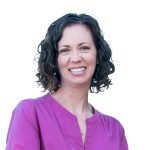 |
“Accessibility allows everyone to share an experience, whether in-person or digitally.” — Laura Thrasher |
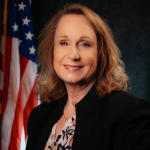 |
“Accessibility means understanding and recognizing that each person experiences the world differently and making sure that systems and services are flexible enough to meet them where they are at.” — Yvonne Wright |
On this Global Accessibility Awareness Day, we want to hear from you! Share your thoughts and ideas with us on either our Instagram, Facebook, or LinkedIn pages and let’s keep this conversation going far beyond this day.
#GAAD #GlobalAccessibilityAwarenessDay #ABLEtoSave #AccessForAll