
This year, the Americans with Disabilities Act (ADA) turns 36.
Signed into law by President George H.W. Bush on July 26, 1990, the ADA represents the first set of comprehensive civil rights protections for people with disabilities in the United States. Passed with bipartisan support, the law declares that “the Nation’s proper goals regarding individuals with disabilities are to assure equality of opportunity, full participation, independent living, and economic self-sufficiency for such individuals.”
National Disability Institute (NDI) has worked to fulfill the ADA’s promise of economic self-sufficiency for people with disabilities for more than two decades. As the first and only national organization focused exclusively on improving the financial stability and well-being of people with disabilities, NDI has built a staff of subject-matter experts with diverse backgrounds and lived experiences of disability.
The ADA influences our work.
It also impacts our lives.
As we celebrate 36 years of ADA in action, we are sharing reflections from NDI staff on how the Americans with Disabilities Act has affected them both professionally and personally.
How the ADA Impacts Everyday Life for People with Disabilities
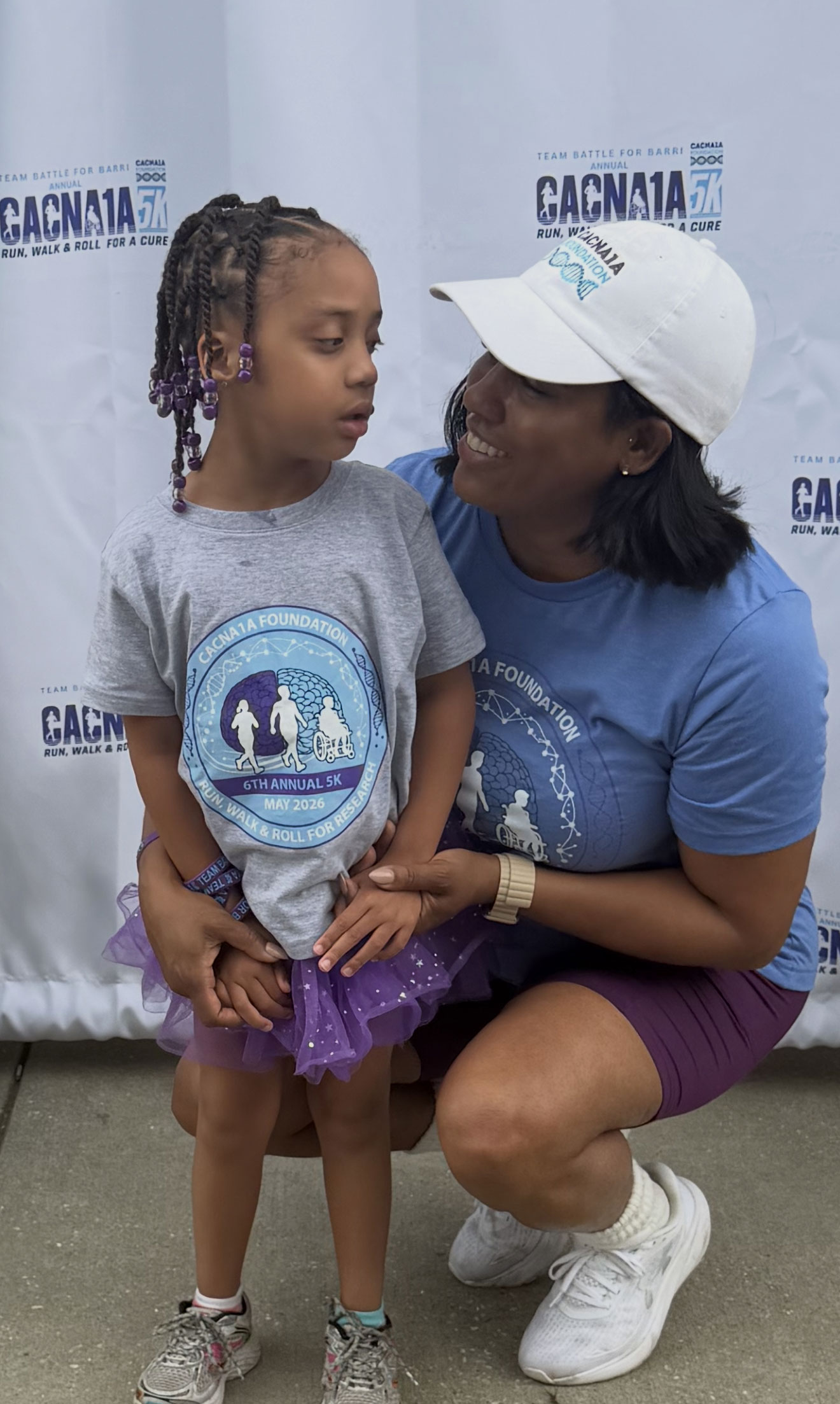 ” As a caregiver to a child with the rare neurological disorder, which affects her mobility and balance, I’ve seen firsthand how accessibility shapes everyday experiences. Features like curb ramps, accessible entrances, and inclusive communication can make the difference between participation and exclusion. The ADA has helped remove barriers and expand opportunities, empowering people with disabilities to participate more fully in community life.”
– LaShawn Douglas, Director, Marketing and Communications
 “The ADA has allowed my daughter to have her service animal with her everywhere she goes to support her disability. This has increased her independence and given her more confidence to go to new places and try new things.”
– Nikki Powis, Director, Small Business Programs
“When my grandfather was sick with cancer, the ADA enabled him to maintain much of his active lifestyle. Walking was difficult for him, and access to accessible parking spaces meant that he could park closer both to the medical facilities that were important for his health and to the fun places that were important for his relationship with his granddaughters — places like the ice cream shop, the toy store and the movie theater on the corner. The ADA let my grandfather continue doting on us and making memories for all 15 years of his cancer treatment.”
– Elizabeth Layman, Director, Health-Wealth Innovations
The History of the ADA: A Civil Rights Milestone
The stories behind the ADA’s passage are a powerful reminder of the advocates who made this landmark disability rights legislation possible.
“Before the ADA was passed, I was working for United Cerebral Palsy Associations and a member of our staff was Bob Williams. He and I previously worked together for a U.S. senator from Connecticut. Bob’s speech was difficult to understand as a result of being born with cerebral palsy. He used to carry with him, in the basket of his scooter, a green board with letters on it. He would have to point out one letter at a time to form words. That was a very slow process. Although there were already augmentative communication devices available, Bob wanted your undivided attention to follow what he had to say one letter at a time. Bob, eventually, with the help of the Prentke Romich Company, did attend a one-week intensive program to learn how to use their communication device. He realized how liberating it was for him and changed his interaction permanently with everyone he wanted to communicate with. Bob was one of many who lobbied for the passage of the ADA. I share this story because, after the ADA passed, Bob was appointed to multiple high-level positions at the Social Security Administration and then at the Administration on Developmental Disabilities. Technology made it possible to allow all of us to benefit from Bob’s brilliant thoughts and insights. The ADA made it possible for Bob to be one of the first individuals with significant disabilities to have leadership positions in the federal government, which has become an expectation and the norm some 30 years later.”
– Michael Morris, NDI Founder
The Work of Disability Inclusion Is Not Finished
In the 36 years since the law’s passage, the country has come a long way toward fulfilling the ADA’s promise of equality of opportunity and economic self-sufficiency for people with disabilities — but hard work remains to be done.
“Admittedly, the ADA was something I took for granted before having my son in 1997 and most certainly before I began advocating for disability rights in the early 2000s. When a fellow advocate mom and I became friends through our sons, I had the pleasure of driving her to meetings and events because, in addition to raising a son with Down syndrome, she is also blind. We were walking downtown in our community in suburban Chicago, one known as ‘the place to live for families with children with ‘special needs,” when we were crossing a street with the talking crosswalk, and she said, ‘Do you know how hard I had to fight to get these things in?’ I found that so disturbing. Such hypocrisy as I looked around with my own eyes at the effort our suburb takes to make things beautiful on the outside while she must fight for talking crosswalks, among other civil rights.”
– Kish Pisani, Training Support Manager
“When people are informed that the ADA includes language about people’s right to learn money management skills, they feel like a barrier has been lifted, and they are free to explore financial education and discuss their financial goals within their circle of support. NDI serves a crucial role in defining a clear path for service providers to support people with disabilities towards financial wellbeing; what a great opportunity to be a member of the NDI team!”
– Laurie Schaller, Manager, Financial Empowerment
Advancing Disability Employment and Financial Inclusion
At NDI, our mission is rooted in eliminating barriers to economic self-sufficiency and financial inclusion for people with disabilities. Employment is one of the most powerful paths to achieving the ADA’s goals, and NDI programs advance it every day.
The American Dream Employment Network (ADEN) supports individuals receiving Social Security disability benefits who want to return to work or enter the workforce for the first time, providing technical assistance and training to employment service providers such as American Job Centers, Employers, Community Rehabilitation Providers and other community partners.
The Small Business Hub, in partnership with more than 40 organizations, helps entrepreneurs with disabilities secure capital, build business plans, expand outreach and thrive.
The ABLE National Resource Center (ABLE NRC) empowers people with disabilities and their families to save and invest for the future without jeopardizing eligibility for public benefits — a direct expression of the ADA’s promise of economic self-sufficiency.
Inclusion Works
“Over a long weekend in June, I caught up with old friends from college. There was the single mom, using her stock options to put her daughter through college; another friend with her paid-off ranch and a horse for each of her kids; and the guy who just won a McArthur Genius Award. All people with disabilities, all living independent, successful lives. It turns out, inclusion works!”
– Thomas Foley, Executive Director, NDI
Throughout July, NDI is recognizing the 36th anniversary of the Americans with Disabilities Act on our social media channels. Follow us on Facebook, Instagram and LinkedIn for ADA facts, stories of historic and contemporary disability advocates and reflections on both our progress and the challenges that remain.
NDI continues to lead by influencing thinking and behavior through pioneering research, advocacy, policy development, training and technical assistance. We envision a society where the ADA’s promise is a reality, and people with disabilities have the same opportunities to achieve financial stability and independence as people without disabilities.