
 My mother is a proud Hispanic woman from Panama, and when I started thinking about what I wanted to share about my Hispanic heritage, I realized that some of my first financial lessons came simply from watching her.
Growing up, my mother drilled into me the importance of budgeting your money, paying your bills on time, and keeping a record of what you paid and when you paid it. Her message was simple: take care of your responsibilities, and that will help you build good credit.
She was right. But as I got older, I realized there were still some important pieces missing.
My mother was a single mom raising two children, so her budget was everything. Every payday, she would take the envelope that her paycheck came in and turn it into her budgeting sheet. At the top, she wrote her take-home pay. Then, line after line, came the deductions. In other words, the bills.
What stands out to me now is that I don’t remember seeing despair, even when there wasn’t much left after everything was paid. What I remember, instead, was her sense of pride. The bills were paid. The household was taken care of. Her children had what they needed. She was proud of that, and I saw it.
Saving was another lesson she made sure I learned.
My mother learned the value of saving at an early age while attending primary school in Panama, and she passed that lesson down to me. She would always tell me, “There is always something to save.”
And she meant it.
When we bought canned drinks, we saved the empty cans and took them to recycling centers in our neighborhood where we could exchange them for money. And yep, you guessed it: that money was saved.
Every other Saturday, my mother would take me to the bank to deposit what we had collected. But she didn’t do everything for me. I was responsible for filling out the forms and talking to the bank teller while she stood off to the side.
At the time, I didn’t realize she was teaching me more than how to make a bank deposit. She was teaching me how to be comfortable handling money, how to save even when you don’t have a lot, and how small amounts can still matter.
Those are lessons I still value today.
But there are also financial lessons I wish I had learned earlier.
One of the biggest was how credit cards actually worked. By the time I became a young adult, credit cards were becoming a normal part of how people made purchases, and I didn’t fully understand them. I knew you were supposed to pay your bills and pay them on time, but I didn’t understand interest rates, minimum payments, or what carrying a balance could really cost.
I thought if I borrowed money, I simply paid back what I used. I didn’t understand the full picture.
Unfortunately, while I was in college (and also a young mom), that lack of knowledge led me into credit card debt that I didn’t know how to manage. By the time I really understood how it all worked, the damage had already been done.
Funny enough, when it was time to dig myself out, I went back to what I knew.
I took those credit card statement envelopes and started budgeting my payments, much like I had watched my mother do with her paycheck envelopes years before. Little by little, I worked toward my goal of getting rid of the credit card debt.
Looking back, I appreciate the financial foundation my mother gave me. She taught me to budget, save, pay my bills, keep records, and take pride in providing for my family. Those lessons have stayed with me.
But my own experiences taught me something else: financial education can’t stop with what our parents knew.
 I had to learn to ask questions. I had to learn not to jump at something simply because it was easy to get. And I had to learn that when new financial products and opportunities enter our lives, we have a responsibility to educate ourselves and share that knowledge with the people around us.
For my mother, it was teaching me to save money from recycled cans and depositing them into the bank. For my generation, it became understanding credit cards and credit. Today, conversations include things like cryptocurrency, high-yield savings accounts, investing, and financial technology that continues to change.
The tools may change, but one lesson from my mother hasn’t: there is always something to save.
And maybe the lesson I’m adding to hers is this: there is always something new to learn, too.
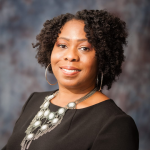
Shajira Brown is the Director of Community Partnerships at NDI. Shajira brings more than two decades of experience in human services, grounded in a strong foundation of grassroots work and community engagement. Throughout her career, she has held impactful roles including Psychiatric Rehabilitation Worker, Manager of Special Projects, and Director of Social Services, building a reputation for thoughtful leadership and effective program management.
In her current role at the National Disability Institute (NDI), Shajira leads key initiatives that support organizational growth and strengthen partnerships across communities. She holds a Bachelor’s Degree in Professional Studies from the City University of New York – Medgar Evers College and a Graduate Degree in Public Administration from the University of Baltimore.