

When I was in seventh grade, the student sitting next to me asked a simple question that would quietly change my life. He asked what my favorite soda was. I told him Pepsi.
What followed felt almost magical. He explained that his dad had taught him how stocks worked, and that someone who liked Pepsi could actually own a piece of the company. He described what a share of stock was and told me that if I had bought one share of PepsiCo in the year I was born, it would be worth many times more today.
At that moment, something clicked. You could spend a small amount of money once and, simply by letting time pass, watch it grow into something greater. You didn’t need to be wealthy or wear a suit or have a finance degree. You just needed time, patience, and belief in the future.
That idea stayed with me, especially because my family never talked about money. It taught me that investing isn’t reserved for a select few. It’s a tool anyone can use to turn effort today into security tomorrow. For people with disabilities, that lesson carries even deeper meaning.
Why Investing Matters for People with Disabilities
People with disabilities often face financial challenges that go far beyond budgeting. Lower incomes, higher healthcare and accessibility costs, barriers to employment, and reliance on fixed incomes are common realities. Many depend on programs like Social Security Disability Insurance or Supplemental Security Income—critical supports, but ones never designed to fund long-term goals such as homeownership, education, travel, or retirement.
Sometimes, we have to create our own opportunities.
Investing can help do exactly that. Even small, consistent investments can grow meaningfully over time. More importantly, investing creates a sense of participation and control. It transforms financial planning from a source of stress into a source of possibility.
How Investing Works: Ownership, Compounding, and Time
At its core, investing works because of three simple ideas: ownership, compounding, and time.
When you invest—whether in an individual company or a diversified fund—you become an owner. Ownership means you share in growth as businesses expand, innovate, and succeed. Some companies also pay dividends, which are small payments made to shareholders from profits. When those dividends are reinvested, they begin earning returns themselves.
This process is known as compound growth. Like a snowball rolling downhill, growth starts small but accelerates over time. The interest you earn today begins earning interest tomorrow, making time your most powerful asset.
A simple concept known as the Rule of 72 helps illustrate this. Divide 72 by your expected annual return to estimate how long it takes your money to double. At 6 percent, that’s about 12 years. The takeaway is clear: starting early matters far more than starting big.
Paying Yourself First and Protecting Public Benefits
One of the most effective financial habits is paying yourself first—setting aside money for savings or investing before expenses consume what’s left. Even five or ten dollars a month can make a difference when done consistently.
For people with disabilities, it’s also essential to protect access to public benefits. This is where ABLE accounts play a critical role. ABLE accounts are tax-advantaged savings and investment accounts that allow eligible individuals to save for disability-related expenses without jeopardizing benefits such as SSI or Medicaid.
ABLE accounts make long-term financial planning possible while maintaining essential supports, giving individuals a powerful tool to build independence safely.
The Emotional Power of Investing
Investing is not just a financial decision—it’s an emotional one.
When you grow up believing money must always be spent immediately or that long-term financial growth isn’t meant for you, investing can feel intimidating or out of reach. But investing is an act of hope. It says your future matters and that you belong in financial conversations.
Every contribution, no matter how small, reinforces that belief. Over time, investing can change how you see yourself—from someone getting by to someone preparing, participating, and planning.
For people with disabilities who have often been excluded from wealth-building opportunities, that shift can be transformative.
Long-Term Investing Requires Patience and Purpose
Investing is not about getting rich overnight. Markets rise and fall, and short-term changes are inevitable. Discipline and patience are the real superpowers.
Focusing on your purpose, whether it’s long-term independence, accessible housing, adaptive technology, or peace of mind later in life, helps keep short-term volatility in perspective. When your goals are clear, staying the course becomes easier.
Building a Financial Future with Intention
That seventh-grade lesson about Pepsi was never really about soda or stock prices. It was about possibility. It revealed that ownership and growth are available to anyone willing to plan ahead.
For people with disabilities, investing offers more than financial returns. It offers dignity, choice, and continuity between the person you are today and the person you will become.
The can of Pepsi my younger self loved may be long gone, but the lesson remains: when you invest, you own a piece of potential. Over time—one contribution, one dividend, one compound step at a time—that potential can help build a future shaped by independence, foresight, and belief in yourself.
Start Building Your Financial Future Today
Learning how to invest doesn’t require large sums of money or financial expertise, just the willingness to start.
To explore disability-friendly investing tools, learn more about ABLE accounts, and access free financial education resources, visit the ABLE National Resource Center at ABLENRC.org.
Your future self will thank you for taking the first step today.
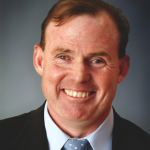
Written by: Thomas Foley, Executive Director, NDI
Trained as a tax lawyer and financial planner, Thomas Foley, Executive Director at NDI, has more than 30 years’ experience serving the disability community by working toward greater economic inclusion. As a person who is blind, Mr. Foley has been an advocate and dedicated his career to partnering with other thought leaders to address the complex drivers of economic inequality and create pathways to employment and financial security for the most vulnerable communities. In addition, he has been instrumental in developing and influencing federal and state legislation to encourage employment and increase participation of people with disabilities in employment and wealth-building programs. He is the author of EQUITY, the first asset building book for people with disabilities. Mr. Foley has worked closely with the Consumer Financial Protection Bureau, Federal Deposit Insurance Corporation, Department of Treasury and multiple financial and Community Development institutions to design programs and provide technical assistance to better reach the disability community. Mr. Foley received his Master’s degree from the University of California: Berkeley and earned a JD from Hastings College of the Law. In his spare time, he is a competitive goalball player and ever hopeful Chicago Cubs fan.