
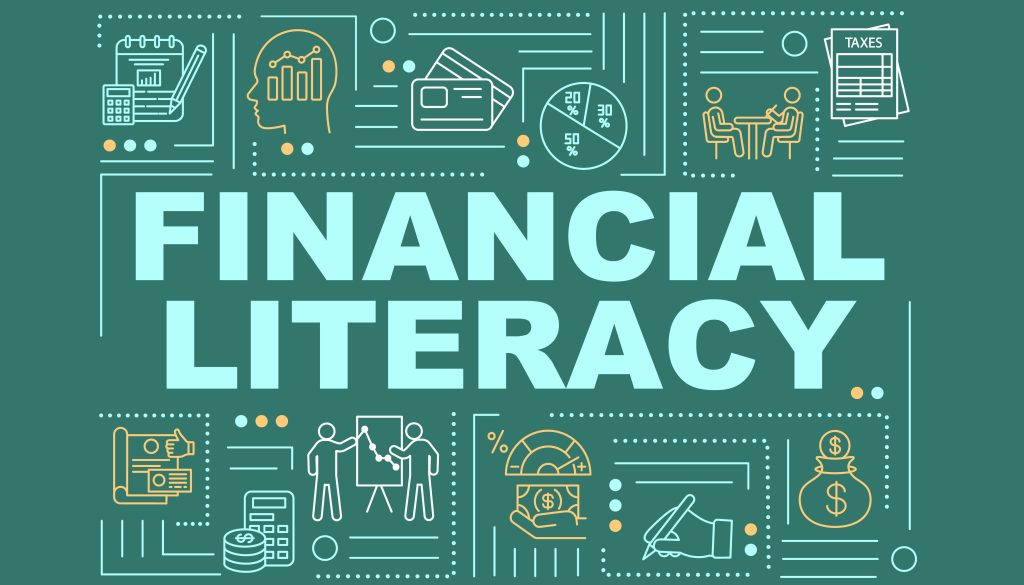
Every April, Financial Literacy Month rolls around with reminders to create a spending plan, save more and make smarter money decisions. But for millions of people with disabilities and their families, financial literacy isn’t just a nice-to-have skill. It’s a lifeline. It’s autonomy. It’s access. It’s dignity. And it’s something our systems often make far more complicated than it needs to be.
People with disabilities face unique financial realities that many people without disabilities never have to think about:
- Higher cost of living due to medical care, therapies, assistive technology, transportation and personal support
- Lower employment rates often because of systemic barriers rather than ability
- Complex benefit systems like SSI, SSDI, Medicaid waivers and income/resource limits
- Fear of losing essential services if income or savings exceed strict thresholds
- Limited access to financial education tailored to disability-specific needs
Financial literacy isn’t just about budgeting, it’s about understanding benefits, managing money and making confident financial decisions.
Financial Literacy Month creates space for conversations that are often overlooked:
- How do you save for the future without jeopardizing benefits?
- What tools exist to help people build financial independence?
- How can families plan long-term care without creating financial hardship?
- What rights and protections exist for disabled consumers?
There are resources that can make a meaningful difference — but many people don’t know they exist.
 An ABLE account allows eligible individuals to save money and invest without affecting SSI or Medicaid.
 - Special Needs and Pooled Trusts help families plan for long-term support.
- Work Incentive Programs offered by the Social Security Administration can help people explore employment without immediate loss of benefits.
- Financial coaching programs tailored to people with disabilities are growing nationwide. Check out our Disability Inclusive Financial Counseling webpage for a list of partners we’ve trained.
Financial Literacy Is About More Than Money — It’s About Freedom
When people with disabilities have access to financial knowledge, the impact is profound:
- More control over daily choices
- Greater independence
- Reduced stress for families and caregivers
- Stronger long-term stability
- Increased confidence navigating systems that often feel overwhelming
Financial literacy becomes a form of empowerment, a way to reclaim independence in a world that too often limits it.
Call to Action
- Learn something new
- Share resources
- Ask questions
- Advocate for accessible financial education
- Support policies that remove financial barriers
When we invest in financial education for people with disabilities, we’re not just teaching money skills — we’re expanding opportunities, strengthening families and building a more inclusive future.
 Be sure to check out NDI’s Financial Resilience Center (FRC) and subscribe to our mailing list to stay informed about policy changes, the latest webinars, events and other financial empowerment resources.
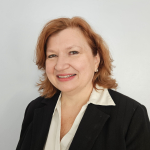
Becky MacDicken is a Director of Financial Empowerment at NDI, where she manages projects and innovative strategies to promote financial empowerment and economic self-sufficiency for individuals with disabilities. In this role, Becky provides training and technical assistance to organizations and agencies working to integrate financial capability services into their programs and services for people with disabilities and/or expand financial empowerment services to people with disabilities.
Becky spent 18 years with the PA Department of Banking and Securities as an outreach specialist, bringing financial education to incarcerated populations, the disability community, state employees, employers and women.
Prior to moving to Pennsylvania, Becky spent 16 years in Washington, D.C. working for the U.S. Congress Committee on Small Business and as a lobbyist for small business associations. During this time, she owned and operated a comedy improv troupe and performed with two bands.
Becky is a native of Detroit, a graduate of Michigan State University, and the mother of one charming son, Jonathan, who is a young adult with autism. In her “spare” time, she enjoys movies, music, cooking and baking.